
OMG Bones! (Osteoporosis, Menopause/Men and Great Bones!)
Reviewed August 2026
Bones. Without them we'd be amorphous masses of cells vulnerable to all manner of infections. Not an appealing thought. Bones hold us up. By working together they become a jointed skeleton which is the frame that allows us movement, and as a whole, they are a blood cell factory – making the cells that carry oxygen around our bodies and those that are our cellular immune system.
Throughout our life, bone cells, called osteoclasts and osteoblasts, are continually remodelling our bones. These cells are constantly breaking bones down and building them up in response to the hormonal and physical triggers they receive.
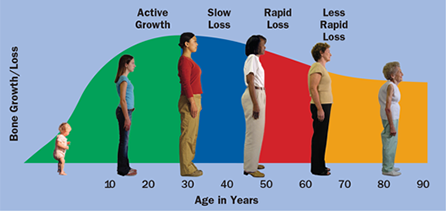
Peak bone mass is reached at 25-30 years of age when the bones have stopped growing and are at their strongest. This all goes swimmingly until something upsets the apple cart. For women, the most common cause is the drop in oestrogen that comes with peri-menopause. For men it may come a little later and lifestyle factors and medications play a greater role. Then the osteoclasts and osteoblasts don't balance their work and the upshot is poor quality bone which is more brittle and more prone to fracture – this we call osteoporosis.
"Worldwide, osteoporosis causes more than 8.9 million fractures annually, resulting in an osteoporotic fracture every 3 seconds."(1)
On plain film X-ray we cannot see evidence of osteoporosis until there is a 30% bone loss. A broken bone is often the first sign that someone has osteoporosis. This is because we just don't check the quality of our bones routinely until we know there's a problem. 50% of women and 25% of men over the age of 50 will experience an osteoporotic fracture in their lifetime (2, 3). The most common sites of osteoporotic fracture are in the spine, hip, wrist, upper arm, forearm or ribs (4). Fractures can be painful, they can limit your ability to get around independently and limit your ability to take care of yourself...all of which can impact on your head space.
Importantly, these fractures may not be traumatic in nature. They can happen in the course of normal movement and activity – one lovely lady who attends this practice experienced an osteoporotic fracture of her pelvic bone just standing from sitting in her lounge chair one evening. Scary! When spinal bones get weak it doesn't take a fall to break them. They can just start to crumble under the weight of your body and it may not be painful at the time, but you may notice a restriction in your movement (bending, leaning and twisting) compared to your usual abilities.
"One osteoporotic fracture is associated with an 86% increased risk of another fracture" (1)
It's a worry that a broken bone, evidence itself that osteoporosis is well advanced, is the first indication that a person has this problem. Late notice, huh? The medical system has strategies for managing osteoporosis when it's a fait accompli (for example, drugs to help your body build stronger bones), but outcomes are always reliant on the condition your body was in at your peak. For that reason I'm going to focus on prevention in this blog. The story is different for men and for women, so please share this knowledge. Also, it may be a population with twinkles in their wrinkles who are drawn to read this blog believing the topic matter relevant only to them – please share it with all the 20, 30 and 40 somethings in your life. This is the population who can make choices to prevent osteoporosis in their future NOW!
Women begin losing bone mass from the age of 40. Hormones have a lot to answer for. Through life a woman's hormonal cycle changes a lot. From 45-55 years of age women experience peri-menopause (periods can vary in length of cycle, duration of period, amount of blood lost) as the oestrogen levels in their body decrease. Women experience menopause at an average age of 51 years (1 in 100 women experience menopause before the age of 40). Menopause means the last monthly period of a women's life. It is confirmed when a woman has not had a menstrual period for 12 consecutive months (2, 5).
There are many side effects of peri-menopause and menopause caused by the steady decline of oestrogen and these side effects can continue an average of 4 years, and up to 12 years (!!!) after the final period (5) - that's a raw deal if you ask me! The side effect of oestrogen reduction that I want to focus on here though is decreasing bone quality. It is estimated that a woman will lose 10% of her bone mass in the first five years after menopause (2).
Men don't experience the bone loss women do in their 50's due to hormonal changes, but by the age of 65-70 men and women lose bone mass at the same rate (6). It is thought that this is due to the body being less able to absorb calcium through the gut at this age (6). Given that they start losing bone mass later in life it is believed that men who experience osteoporosis must have several lifestyle factors contributing to the deterioration of bone quality for it to become an issue.
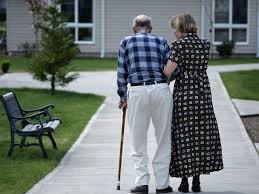
Beyond hormones and gut changes there are other factors that can affect bone density. Included in this list are: lack of regular weight bearing exercise; glucocorticoid medications (used for asthma and rheumatoid arthritis); low testosterone levels; excessive alcohol consumption; smoking; and thyroid issues.
The crux of it all is the better your bone density is at the age of 35 the less impact all these detrimental factors have on your bone health later in life. Prevention is best. As children, teens and in our first couple of decades as adults we need to eat a balanced diet and perform weight bearing, resistance based exercise regularly. This will build strong bones.
As we get older we need to do the same - eat a balanced diet and perform weight bearing, resistance based exercise regularly. Then at 50 have a conversation with your GP about doing a bone density check (like an x-ray through your lower spine, wrist and hip, but with a much lower radiation dose) to establish the status quo. Then you will have clarity on where you are at regarding your bone density and a plan can be formed to manage your needs.
If there are early signs of osteoporosis on your bone density scan, usually described as osteopaenia, your GP will be able to help you with drugs which can help maintain and build bone density. These still need to be complimented with a balanced diet and weight bearing exercise. Weight bearing exercise doesn't necessarily mean gym workouts. Walking is an excellent option; even wearing a back pack with a couple of two litre bottles of water in it can do the trick to increase the trigger to make good quality bone. If you have cranky knees or hips and walking is not easy for you there are other options.
As chiropractors at the Adelaide Chiropractic Centre, bones and the nervous system are our thing. We work with people who have osteoporosis every day. We are adept at both modifying our care accordingly, and helping people make good choices to achieve their health goals.
Call on 8221 6262 today to make an appointment. We'll help get your body moving and get more quality exercise into your life to help maintain your bone health.
References
-
https://www.iofbonehealth.org/facts-statistics
-
https://www.betterhealth.vic.gov.au/health/conditionsandtreatments/menopause-and-osteoporosis
-
https://stanfordhealthcare.org/medical-conditions/back-neck-and-spine/osteoporotic-fractures.html
-
https://www.osteoporosis.org.au/post-fracture-recovery
-
https://promensil.co.uk/menopause-health-hub/
-
https://www.bones.nih.gov/health-info/bone/osteoporosis/men