
Scar Tissue, Spider Webs & Sweet Spots (a.k.a. why you should do your rehab exercises)
Reviewed August 2026
As you would expect, healing is a big thing in our every day at the Adelaide Chiropractic Centre. Healing from acute injuries, healing from old chronic pains, healing after surgeries, healing from microtrauma of poor posture or bad habits.
"Biology (mostly) cannot be rushed" Paul Ingram
Healing always takes a lot longer than a person would like, there are relatively set time frames related to the tissues involved (you can read more about this here), and we know that better results can be achieved if the person seeks quality advice early in the recovery process and follows that guidance well (you can read more about that here).
"Knowledge and movement are the greatest pain and stress liberators" Lorimer Moseley and David Butler.
In this blog I wanted to talk about healing after acute injury (e.g. a badly sprained ankle, a whiplash event, a groin strain at footy) or following surgery (e.g. a knee arthroscopy, a hip replacement, carpel tunnel surgery, a c-section etc.). I was explaining this process to a patient just the other day. He commented that he found it very helpful, and I should write a blog about it so others could benefit from this insight too. So, this one is for John.
Here's where the spider webs come in to it...

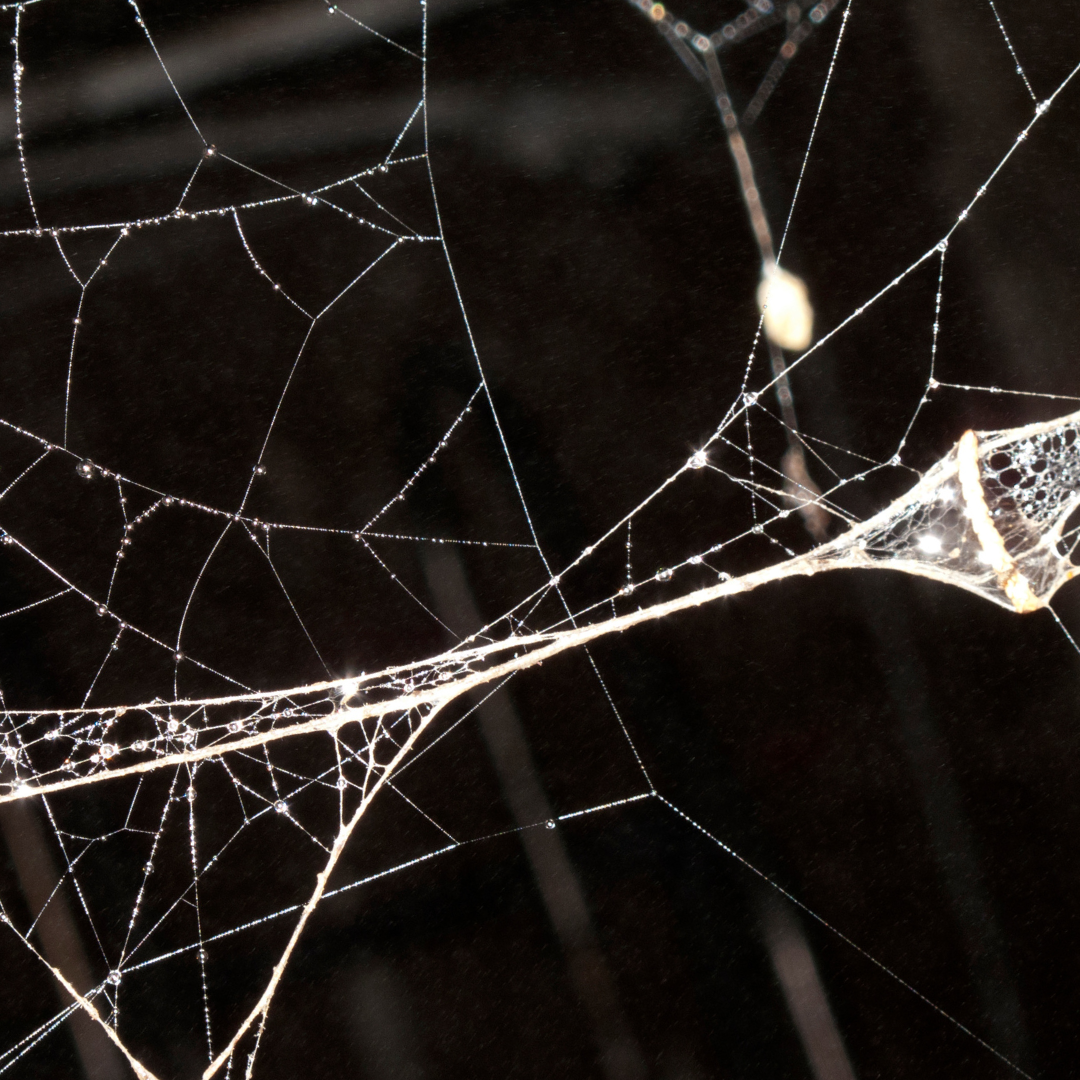
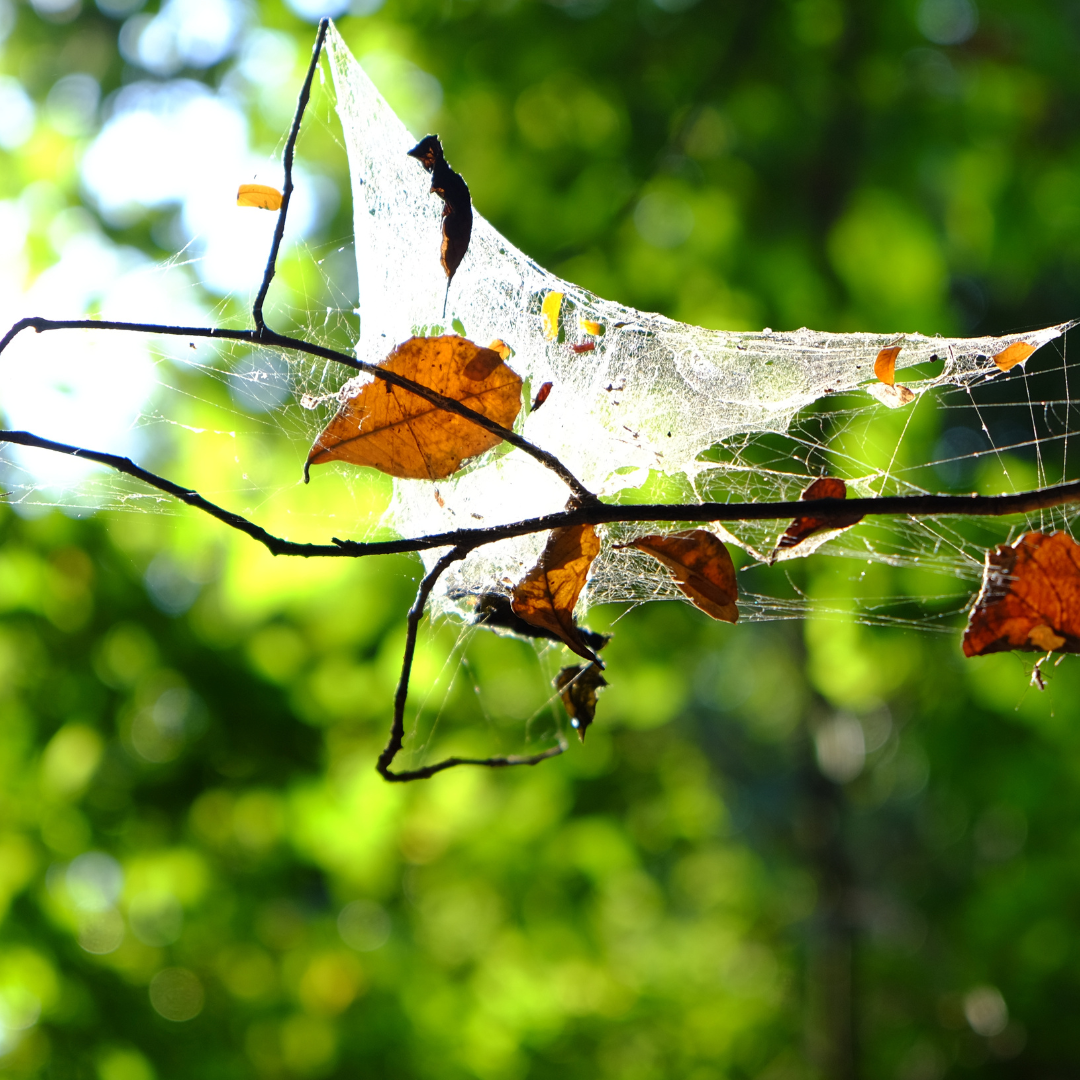
When we sustain an injury or have a surgical procedure where the tissues of our musculoskeletal system are damaged/cut, our immune system slaps down scar tissue in a wide spread and indiscriminate fashion ~ a bit like a spider's web ~ working to hold all the pieces together and beginning the healing process. The system is then designed for the "spider's web" to be refined according to how we use that joint/muscle/ligament as it heals. Strands of the scar tissue that are not loaded or needed are cleaned away and those that are used and challenged are reenforced and strengthened. Neat, huh?
The issue is, people, sometimes, do not help themselves to achieve the optimal result of this healing process. It requires effort on the part of the person to achieve a well functioning tissue at the end of the healing process. The process can be underdone, overdone or hit the magical sweet spot.
- Underdone Rehabilitation (rehab): for whatever reason [some I've heard include ~ "it hurts", "I'm too busy to do the exercises", "I forgot", "I don't have time to seek advice and find out what I need to do to recover well"...] the exercises designed to build back that strong resilient biomechanical structure have not been done. Here the spiderweb of scar tissue is not remodelled and persists threaded between all the tissues in the area. This limits normal movement as it stops full range of motion and sticks the layers of soft tissues together, so they don't glide across one another with movement. This will lead to a stiff, limiting joint, less powerful muscles and the structures around the damaged area will have to compensate...over time they can become a problem too (e.g. a knee operation rehab gone wrong often leads to the need for a hip operation years later).
- Overdone Rehab: sometimes, with the best of intentions, people will do more of the specialist's rehab exercises (designed to refine the scar tissue) than they were directed to do. This may be because they think "if this is good for me, then more must be better", or possibly, "if I do more now, I'll be able to return to work/sport sooner". It may not even be more of the rehab exercises, it may be that they just don't rest as much as directed and thus work the healing tissue too much. In this scenario, the healing tissues are challenged too much, there is further microtrauma and inflammation, and extra scar tissue is formed. More spider webs!! This leads to extra fixation and limitation in the healed joint...and extra time and rehab required to complete healing.
N.B. A relevant rule of thumb on activity during recovery: if the healing joint/tissue is sore at the end of the day after your rehab/activity, but is fine after rest and a good night's sleep, this is a good amount of rehab/activity for the current stage of rehab; if the healing joint/tissue is sore after rehab/activity, and that soreness persists after a good night's sleep into the next day, then you have pushed the healing tissues too hard and have aggravated them causing more inflammation. If this happens then back off on the intensity of activity/rehab exercises a bit. Yes, there is a bit of "suck it and see" in this process (can you hear a grin in my voice?)
- Rehab Sweet Spot: this is not a fictitious thing! Much research has gone in to establishing what are the best strategies to rehabilitate joints, and their surrounding tissues, following surgery or trauma. If you follow the guidance ~ do the exercises as directed by the experts and give yourself the time required to heal properly as per the research ~ there is a sweet spot where you will optimise the outcome. All going well, a strong, flexible joint/muscle/ligament will be yours at the end of the process.

I hate to break it to you, though we always like to think we are the exception to the rule, you are not some superhuman being...unfortunately, you're the same as the rest of us. We've learnt, through trial and error on other people's bodies across the years, the best way to rehab from these situations. Please listen to the experts. Scar tissue becomes harder to deal with (and potentially more problematic) as time goes by. It seems sensible to work with the healing mechanisms of the body, and to abide by the scientifically backed advice your therapist has provided you with, to achieve the best possible recovery. It is, however, entirely up to the individual.