The Anti Inflammatory Diet
Reviewed August 2026
Okay, so even though I promised you a Blog on the anti-inflammatory diet over six months ago I've been putting it off because it's complicated...but it's also really simple. It would be easy to say what to eat (and what not to eat) to limit chronic inflammation in the body, but I want to give you a picture of how it works (good and bad), why it's important, and why it's a good and easy thing to do to promote your health and wellbeing. It's a fashionable name for a functionally sound way of eating that we can all benefit from.
A little reminder about inflammation ~
In the Blog titled "Inflammation ~ Friend or Foe?" we spoke about how the acute inflammatory process is vital for healing, and that if we tinker with it too much with ant-inflammatory medications that the quality of the healing tissue can be compromised.
I also touched on chronic inflammation which is long term (several months or years) inflammation caused by the body failing to eliminate the trigger driving the acute inflammation.
It can be caused by:
- failure to eliminate the acute inflammation trigger;
- auto-immune dysfunction (the immune system mis-identifying and attacking normal tissues of the body);
- or exposure to a low level irritant over a long period of time (e.g. a chemical)
A background of chronic inflammation is often the canvas that spectacular artworks of dysfunction in the body, also known as chronic disease, are painted on.
A little biochemistry (hang in there, it's not too torturous ;)) ~
Digging into the nitty gritty here, chronic inflammation comes down to a balance between two kinds of molecules in the body: free radicals and antioxidants.
Free radicals are a break down product of our cells which occur naturally in the every day functioning of our body. Chemically, free radicals have a charge. This charge allows them to interact with other chemical chains in the body (cell membranes, DNA, proteins and lipids (fats)) and pull them apart (1). They break the bindings that hold the building blocks of our body together and, to add insult to injury, create more free radicals in doing so. Unbalanced, this can lead to a cascade of dysfunction and damage.
Free radicals break the bindings that hold the building blocks of our body together and, to add insult to injury, create more free radicals in doing so.
An antioxidant is a molecule that is stable enough to donate an electron to a free radical and neutralise the free radical's charge so it can no longer damage other chemical chains. Some antioxidants are created in normal bodily functions. Others are found in the diet. The main antioxidants in the body are vitamin E (α-tocopherol), vitamin C (ascorbic acid) and B-carotine. The body cannot make these vitamins, they must be supplied in the diet (1).
An antioxidant is a molecule that is stable enough to donate an electron to a free radical and neutralise it's charge so it can no longer damage other chemical chains.
When the free radicals out balance the antioxidants you get a cascade of decay, also known as chronic inflammation, through the body. This leaves the body in a state where it is vulnerable to more significant dysfunction we recognise as chronic disease processes. Examples include arthritis, asthma, cardiovascular disease (atherosclerosis, heart attack, and stroke), immune dysfunction, depression, Alzheimer's, Parkinson's, gastric ulcers, some cancers and many others (1).
Interestingly, research shows that as we age the balance shifts towards increased free radicals and a pro-inflammatory state (1,3). The anti-inflammatory diet can help to mitigate this trend.
Right. So putting two and two together it's obvious that eating lots of antioxidant rich foods would reduce the free radical load in the body and thus decrease the prevalence of chronic inflammation and its associated diseases. Thus the arrival of the anti inflammatory diet on the scene. That covers the how it works and why it's important. Now how it's easy...
The Anti Inflammatory Diet ~
There are so many special diets out there with varying degrees of scientific backing. Considering taking on a new way of doing things can be daunting, but I think you'll find this way of eating quite familiar. The goal is to eat antioxidant rich foods and avoid those that contribute to free radical loading.
Antioxidant rich foods are those which fit established recommendations for healthy eating. It includes foods that are nutrient dense with a lot of vitamins, minerals and colour from a natural source. Some examples are fruits, vegetables, legumes, healthy fats (e.g. olive oil (as a salad dressing, don't cook with it as cooking olive oil creates trans-fats which are free radical promoting! ), avocado, coconut oil, duck fat), fish, nuts and dark chocolate (2). Note that the fatty fish with omega-3 fatty acids have both antioxidant and anti inflammatory properties.
Just as important for the anti inflammatory diet is what not to eat. Foods high in salt, saturated fat, sugar and refined carbohydrates should be limited or avoided (2). Simply put, avoid processed foods. The way processed foods are prepared and preserved alters their chemistry to promote the production of free radicals in the body.
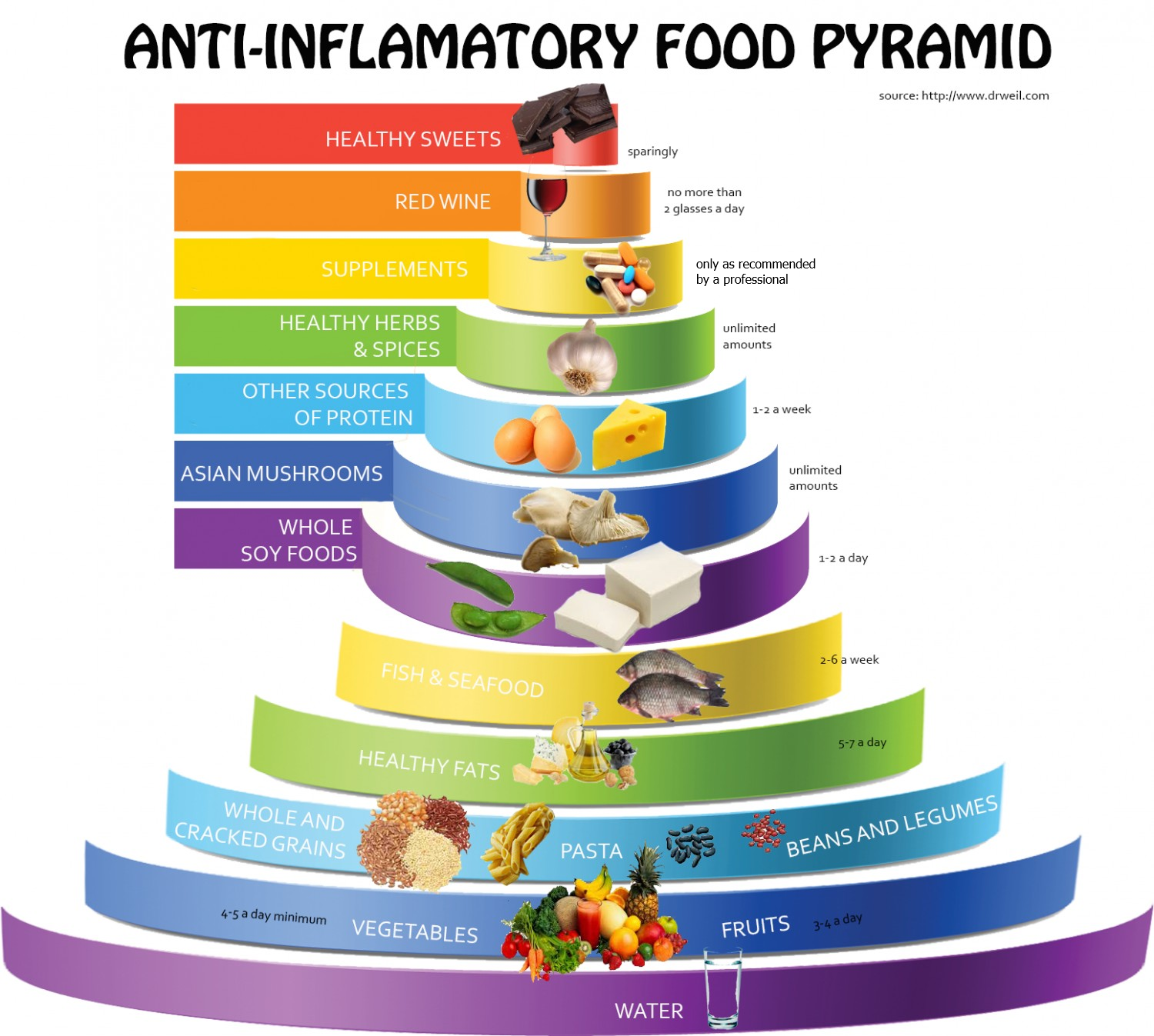
Incidentally, research shows that synthetically created antioxidants have been shown to be "dangerous for human health"(1). Be wary on the supplement front here – read the labels regarding the source of antioxidant in the bottle. Whole foods are always the best source. On a side thought – be mindful of this if purchasing "wonder" serums or creams that purport to contain "anti-ageing" antioxidants.
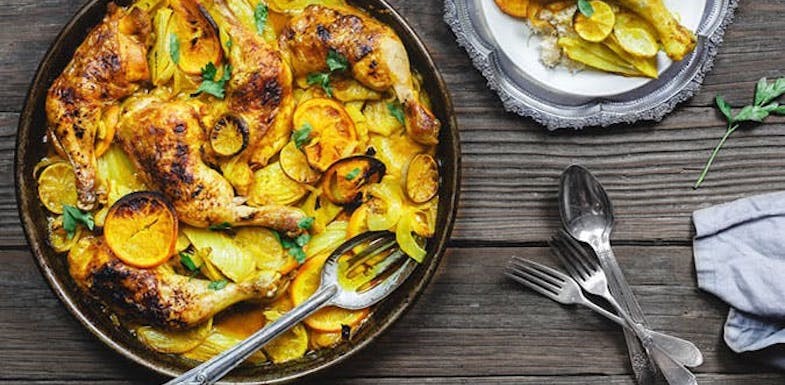
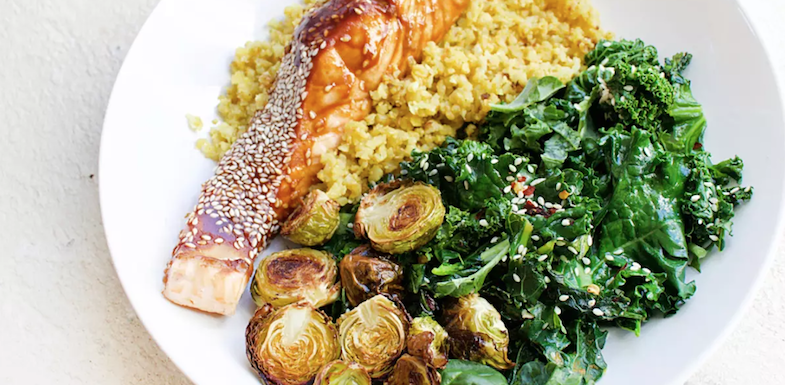
Beautiful and inspirational food recipes that also happen to sop up free radicals and fight chronic inflammation are easy to access. Anti inflammatory recipes can be found by clicking on each of these links:



And here's the cherry ~
In 2018 J Kaluza et. Al. published a research paper in the Journal of Internal Medicine titled, "Influence of anti-inflammatory diet and smoking on mortality and survival in men and women: two prospective cohort studies" (4). They followed 68,273 men and women aged 45-83 across 16 years. The results showed that those who stuck with a mostly anti-inflammatory diet had:
- 18% lower risk of all-cause mortality
- 13% lower risk of dying of cancer
- And 20% lower risk of dying from heart disease.
I like those odds.