
Travelling Well
Reviewed August 2026
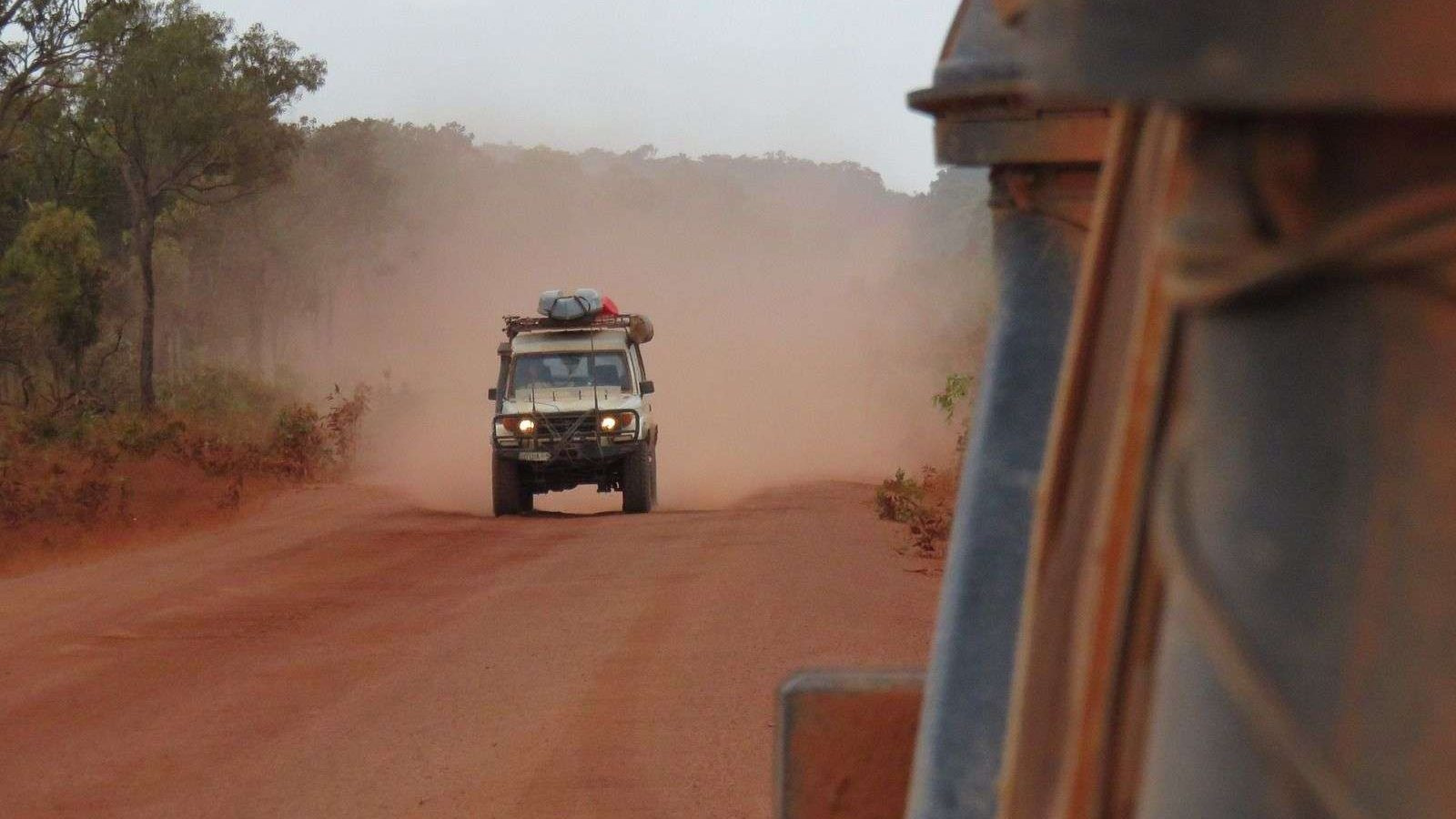
One of my absolute delights is taking part in the joyful anticipation and physical preparation my people go through in the lead up to a get away. This time of the year that takes the flavour of "please, life is just insane, I need a break" and "anywhere warmer than here!" Otherwise, it's, "This has been a dream for a long time and I can hardly believe we're almost there!!" Current destinations include: Thailand, camping trips in SA (toasted marshmallows on the fire – yum), Canada, The Maldives, the Coral Coast in WA, Noosa, sailing up the coast of Alaska on a cruise ship, Fraser Is. (+ fishing charter), 4WDing in the Kimberlys W.A., skiing (assuming the Aust ski regions get some snow this year), staycations (+/- D.I.Y. projects), nomadic wanderings with the caravan...and the list goes on.
People ask me all sorts of versions of, "How do I keep my body A1 for my holiday?"
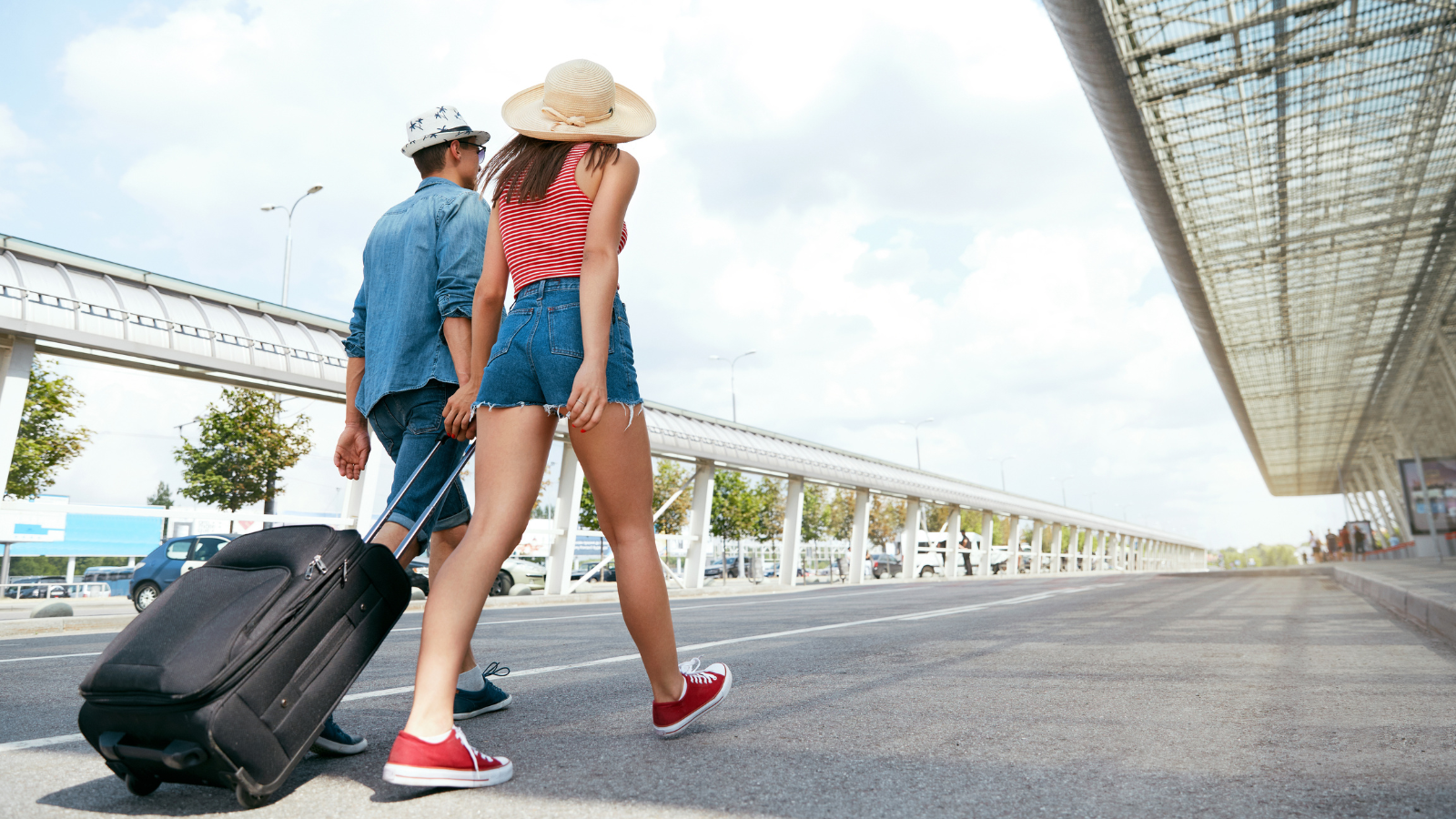


There are two ways to look at this:
- Prevention against the biomechanical risks inherent in the trip. This is more of a scramble at the end to mitigate risk of upset or injury.
Here is a common list of potential issues that people are working to avoid ~
- Sitting too long while travelling
- Poor ergonomics of the travelling seat
- Physically man-handling the luggage repeatedly
- Strange beds and pillows
- Adventure activities from walking to extreme sports (especially those beyond your usual activity level)
- Just tripping over because you've jammed too much into the available time and you're exhausted.
- Wilful sedentarism with intent (for those who just need to STOP)
- Bigger picture prevention. This one involves viewing your health and wellbeing as an important foundation stone of life. When this foundation is solid and true, adding life to the mix (like a trip somewhere, or a D.I.Y project) is more likely to go smoothly and the body will meet the challenges a trip throws at it with more grace.
I often have people asking me, "how do I prepare for this?" There's the million dollar question. How do you dodge having body pains taking the shine off your adventure or limiting your ability to get out there and do those things you were eagerly anticipating?
Now, these people already have a leg up on the answer. They are already choosing to maintain their spine and nervous system by having regular chiro care.
You've heard the saying, "You are what you eat"?
Well, try this on for size, "function, or performance, rests heavily on how you've cared for your body in the lead up to the event".
Athletes know this. They walk a fine line between optimal performance and injury...and they know that the preparation in the months and years beforehand is the thing that keeps them on the optimal performance end of the equation.
Oh, no! Breathe.
I'm not saying you need to be as fit as our elite sportspeople to travel well.
I'm just pointing out that maintenance makes a huge difference to function and performance; to building resilience in your body and being able to manage the unexpected physical challenges a trip away might bring.
So, lets cover some of those potential issues mentioned earlier and how you can mitigate the risk they pose ~


Being still too long. This covers sitting for long periods while travelling (cars, buses, trains, planes) and "wilful sedentarism".
[I have an image of Norm from the "Life. Be in it." ads from the 80's whenever I type that...which is a little harsh. I think everyone needs a day on the couch now and then. It's just not good for us (on oh, so many fronts!) as a regular thing].
The human body is built to move. Our brain becomes stroppy when it doesn't receive enough regular movement data and throws our long strap muscles into spasm to brace joints and keep us safe if we are still for a period of time (read more here). For this reason it is best to move as much as you can as you journey from a to b. Admittedly, this is tricky on a bus, but get up and move around the train or plane as much as you can; stop the car and get out often (yes, it lengthens the journey, but you'll reach your destination with a happier body). Do a set of mobility exercises in your seat if you have no other option.
- https://www.youtube.com/watch?v=zhP_e3Mh4do (this is a 10 min set of exercises)
- https://www.youtube.com/watch?v=OQR-oINMk7s (this is a 3 min set of exercises)
Ergonomics. This is a long conversation. It covers how you hold and use your body and the everyday things in your world that either support good function or cause trouble. As a chiropractor, this is a big part of how I help people back on track when they present with a pain ~ hands on care, education about their body, tweaking unhelpful habits and advising regarding the tools in their life that are helping or hindering their wellbeing.
With a grand adventure in the offing, here we navigate the ergonomic challenges of travel seats (plane seats are torture devices!!), strange beds and pillows, luggage and shoes.
There are three curves in our spine. They're important for good movement and for transferring the weight of our body through the spine to the pelvis, legs and ground (read more here). If we don't work with this biomechanical structure problems arise ~ usually in the form of aches and pains that truly take the shine off the day.
- Car/bus/train/plane Seats ~ rarely do one of these seats support our spine without a little tweaking because these seats are mass produced for the "average body". I'm just not sure there is such a thing. Take a hand towel or pashmina/scarf with you to fold up and create a lumbar support that supports your lumbar spine and promotes good posture sitting. You'll still need to get up often, but at least you wont have the compounding effect of poor posture and sedentarism.
- Strange beds and pillows ~ you can't take your supportive bed/pillow combo with you. The mattresses on your adventure will be potluck, I'm afraid, but you can take your pillow. Yes it will take up luggage space, but I would argue it's worth it. Your bed/pillow combo constitute a foundation that will either help or hinder you for the third of your holiday you will spend sleeping. Grumpy necks do not make for pleasant travelling companions.
- Luggage ~ I can hear the advice I was given as a teen headed off on my first trip: "Only take what you can carry, Tamara." I think that's good advice. Multiple one sided bags can be a problem. Backpacks can be a good option, but they must be fitted well and they're not for everyone (read more here) . It's common for people to travel with carry on luggage only now. From my perspective there are pro's and con's with this strategy. Yes, less time at the airport, but stashing the case above your head on the plane/train – that's a recipe for disaster for a tired or weary body, even when you do have the strength (which not all of us do). Lifting technique is vital here, as well as at more innocuous times like cases in and out of taxi boots or luggage stands in hotel rooms. Be careful and have a conversation with Dr Tamara if you need some tips.
- Shoes ~ happy feet and good balance are important for wanderers. Exploring well beyond your 10,000 steps a day, dealing with cobblestone streets or wild hiking trails, doing that extra thing when you're tired and brain fog might have you step poorly. It's worth a conversation about good shoes, breaking the shoes in before your adventure, and (if there's time + need) polishing up your coordination and control of the ankles ~ have a conversation with Dr Tamara at your next visit to the ACC about this.
The Itinerary ~ this is a hard one. Both for an individual who wants to do/see it all as this is their one chance to go on this particular journey; and for a group travelling together, as there will be a variety of needs [I'm thinking of the 60 year old lady who went on an ice skating trip with her twenty-something daughter through the USA and Canada recently...thankfully no broken bones!].
I'm going to focus on you. Pace yourself. You don't want to be sick or hurt yourself because you've tried to do too much. Maybe include an R&R session to catch your breath on the way home and before you hit the ground running on returning to regular life. Ideally it would be nice to return to regular life reinvigorated and ready.

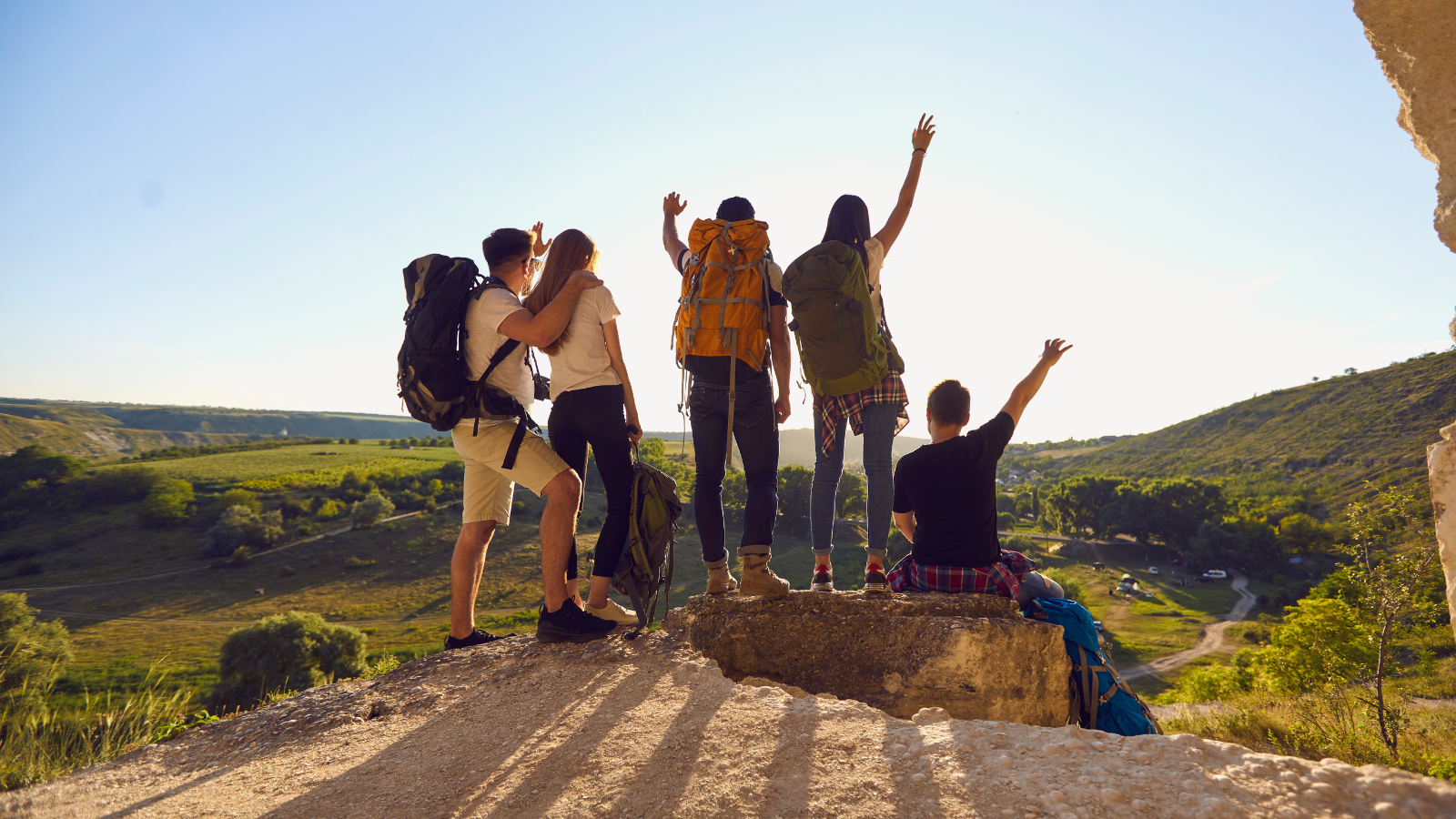
So, enjoy the planning and the preparation. Do the prep for your body too. Make a time to see Dr Tamara at the Adelaide Chiropractic Centre ~ she can help you with the goal of being fit, strong and able for your next adventure, as prevention is a whole lot better than cure. Then factor in the strategies covered above. Your body will be a happier travelling companion if your do.