
How Strong is Your Grip on the Future?
Small things you can do today to help protect your strength, bones, brain and independence.
Can you open the pickle jar? Carry the shopping? Get up from the floor? Keep walking, travelling, gardening, dancing and doing all the things that make life yours?
We tend to think about ageing in terms of birthdays, wrinkles and grey hair. But perhaps a more useful question is: How well is my body helping me live the life I want?
Science is giving us some interesting clues about healthy ageing, and one of them is right at our fingertips. Literally!
Your grip is telling us something.
Your grip is about more than getting the lid off the jam jar. It can offer us a useful little clue about how our muscles are travelling and a snapshot into your overall health.
Researchers use grip strength as a simple measure of muscle strength, and studies have found associations between grip strength and broader physical function and some longer-term health outcomes.
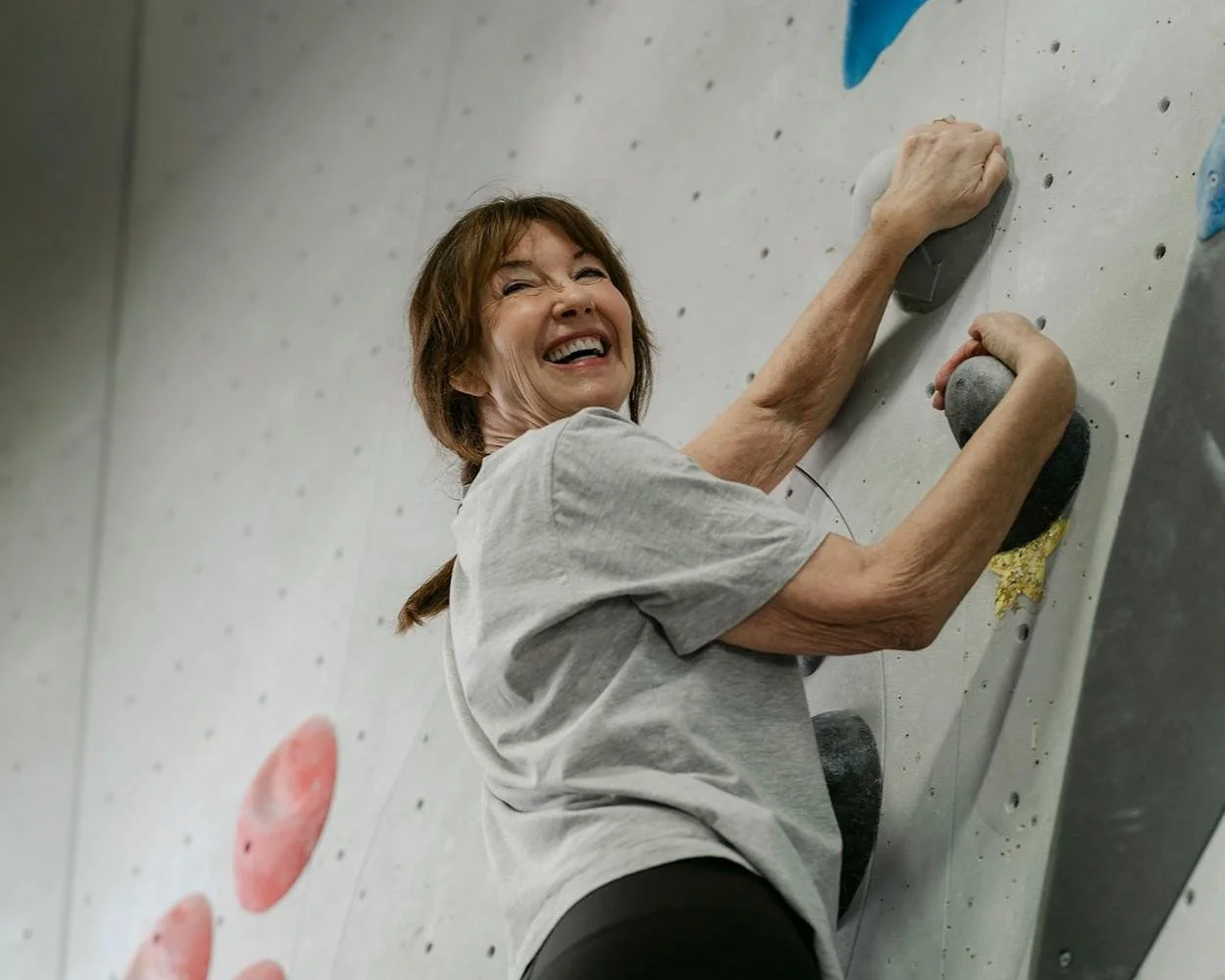
Strong muscles help us keep doing what we love.
As we age, we can gradually lose muscle strength and, in some people, muscle mass. The medical term for this is sarcopenia. It is more than losing a bit of muscle tone. Reduced strength can make everyday activities harder, affect mobility and balance, and contribute to falls and difficulties managing daily life.
Grip strength is one of the measures used to help identify possible sarcopenia. It is not a diagnosis on its own, but it can be a useful starting point for a closer look at muscle health.
Research shows low grip strength is associated with those who are more sedentary (read more here), type 2 diabetes, cardiovascular disease, stroke (not surprising, given our heart is one of the most important muscles in our body!), chronic kidney and liver disease, some cancers, sarcopenia and fragility fractures. The low HSG is also associated with increased hospitalization, nutritional status, overall mortality and quality of life.
Here is the encouraging part: muscles can respond to exercise at many ages. Resistance training, everyday movement and adequate nutrition can all help support muscle strength and function. You don't need to become a gym junkie or start lifting weights that make you question your life choices! A suitable strength program, some regular walking and a little consistency can go a long way.
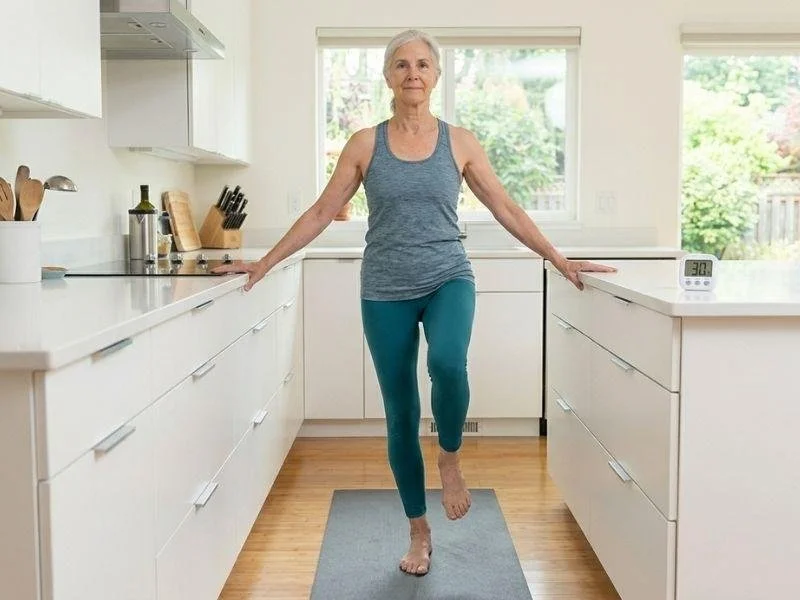
Bones need a little love, too.
Our bones provide the framework that allows us to stand, move and get on with life. Osteopaenia describes lower-than-normal bone mineral density, while osteoporosis involves weakened bones and an increased risk of fractures (read more here). Both can develop without obvious symptoms, so feeling well and moving confidently doesn't necessarily tell us how strong our bones are. Unfortunately, osteopaenia is most commonly diagnosed as an incidental finding when someone has imaging done for another reason. Worse, most people discover they have osteoporosis when they break a bone!
Muscles and bones work together. Strong muscles help us move and maintain balance, while appropriate weight-bearing and resistance exercise can help support bone and joint health. Looking after our bones also means considering nutrition, vitamin D where needed (read more here), and our individual risk factors.
There is an important distinction, though. Grip strength is not a bone density test. A strong grip cannot rule out osteoporosis, and a weaker grip does not mean you have it. If you have concerns about bone health, a conversation with your GP can help determine whether an assessment or bone density scan is appropriate.
Osteoporosis is not something to ignore, but neither is it something to approach without hope. Effective assessment and treatment options are available, and the right approach can help reduce fracture risk.
And what about your brain?
We all want to keep learning, remembering, making decisions and enjoying the people and activities that make life meaningful. Research has found an association between lower grip strength and a higher risk of cognitive decline and dementia. Systematic reviews published in 2021 and 2025 have explored these relationships across studies of middle-aged and older adults.
Before anyone starts worrying about their handshake, though, let's put this into perspective. A weaker grip does not mean you will develop dementia, and a strong grip cannot guarantee that you won't. Grip strength is one possible marker of broader health, not a test for dementia.
Brain health is influenced by many factors, including genetics, cardiovascular health, physical activity, sleep and social connection. While we cannot control every one of these factors, there are positive steps we can take to support our health. Regular movement, learning new skills, enjoying conversations, maintaining friendships and looking after cardiovascular health are all worthwhile places to start.
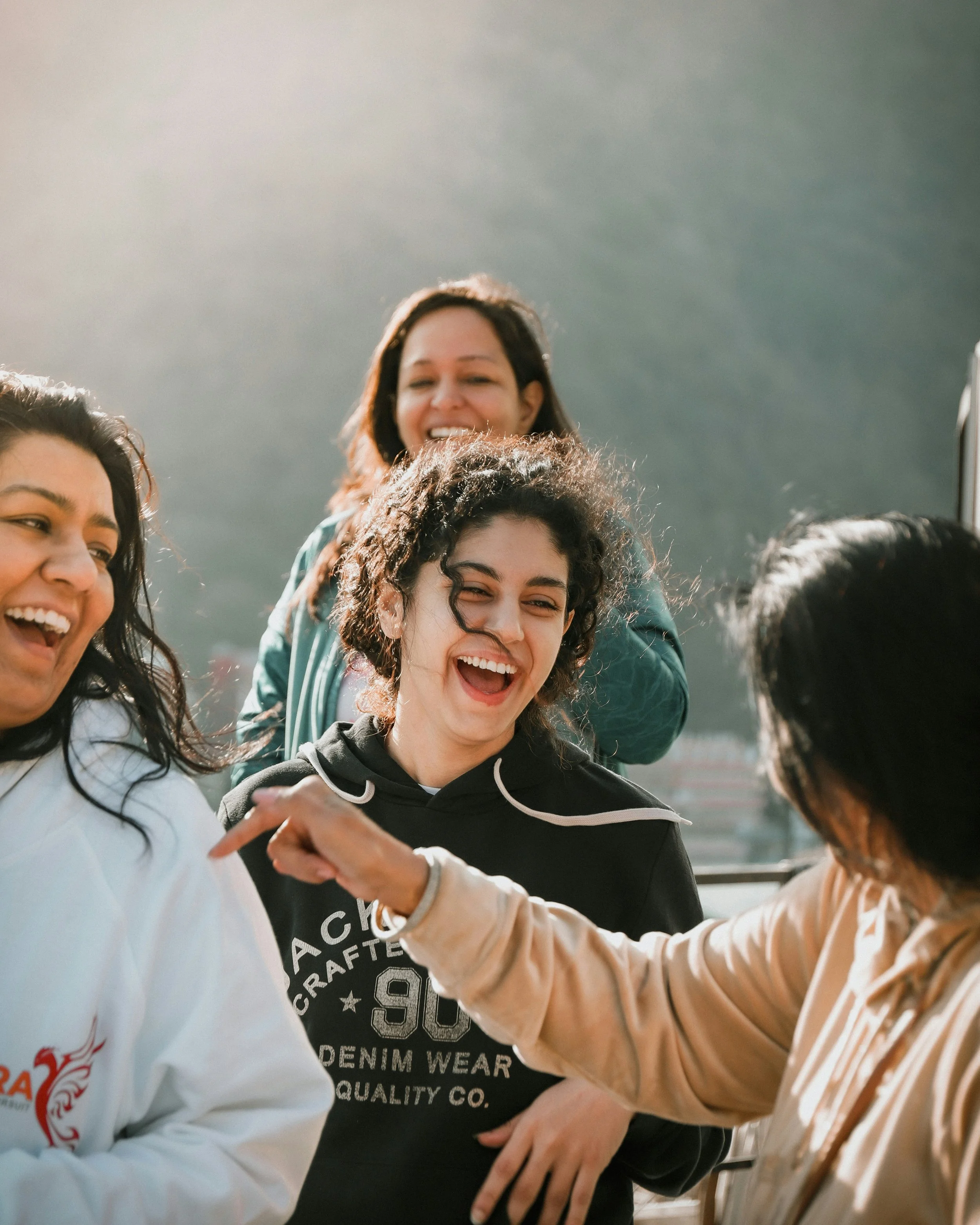
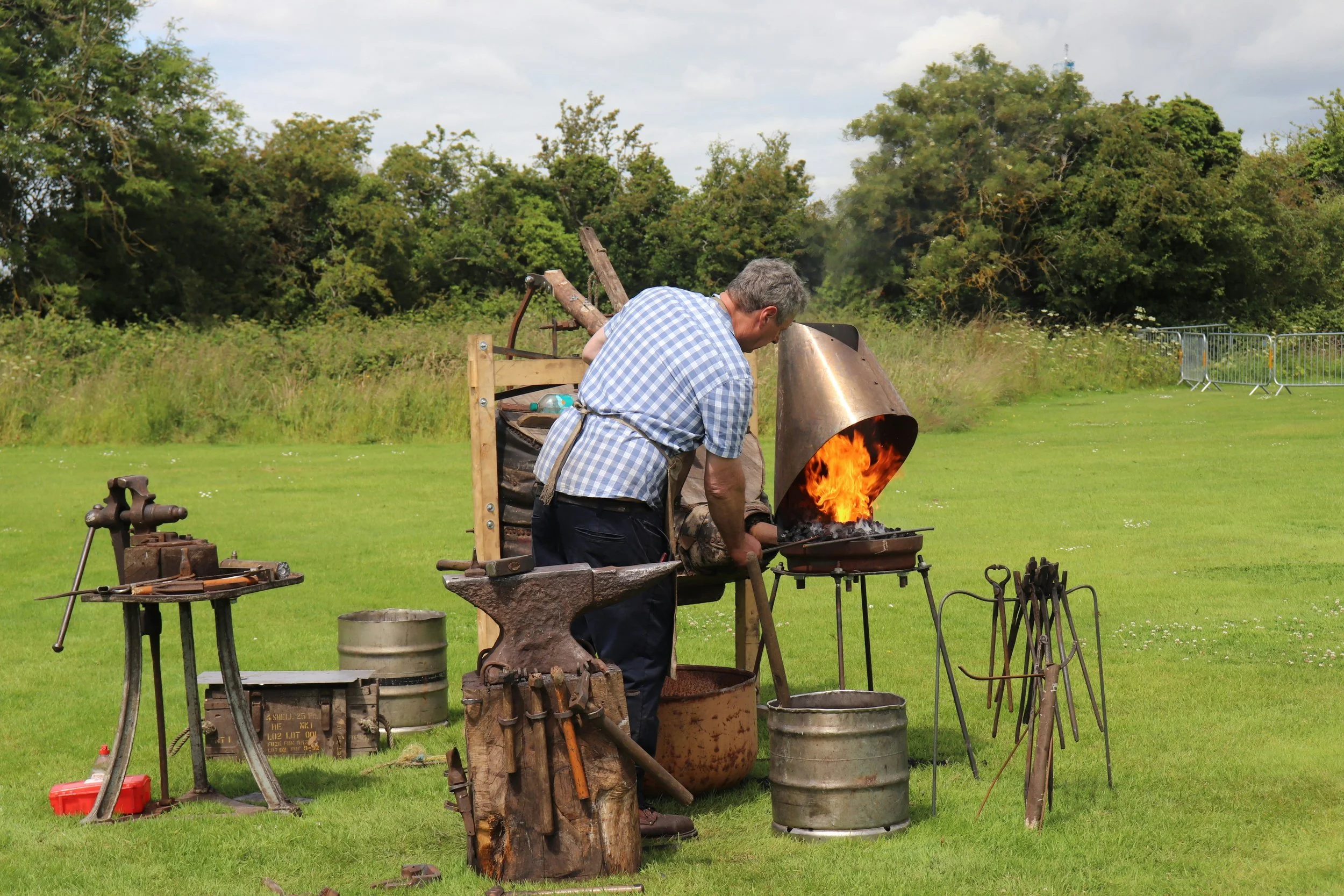
You don't need to learn Mandarin and take up ballroom dancing before breakfast. Just keep giving your brain and body interesting things to do! Something new or different periodically is best.
Your muscles, bones and brain are on the same team.
Think of your muscles, bones and brain as members of the same team. Your muscles help you move, your bones provide the framework, and your brain coordinates the whole operation. When one area struggles, everyday life can become more challenging. Reduced strength may affect mobility, a fracture may interrupt activity and confidence, and cognitive difficulties may make managing everyday tasks harder.
These relationships are complex, and difficulties in one area do not automatically lead to problems in the others. But they remind us why looking after our whole selves matters. Staying strong, keeping our balance, protecting our bone health and keeping our brains engaged all contribute to our ability to enjoy life and remain independent.
Your brain and body can keep adapting.
One of the most encouraging things we know about the brain is its capacity for change. This is called neuroplasticity (read more here). Through learning, practice and experience, the brain can continue to adapt throughout life. Our muscles and bones can also respond to the demands placed on them.
That doesn't mean we can reverse every change, or that conditions such as osteoporosis and dementia can always be prevented or reversed. But it does mean that our efforts still matter. We can build strength, improve aspects of physical function, learn new skills and support our health at different stages of life.
We cannot control every part of ageing, but we can keep giving our brains and bodies opportunities to adapt.
And prevention, where possible, is a whole lot better than waiting until something becomes a problem. Think of it as making a little deposit in your future health account. The small things you do regularly can add up over time.
Five little things your future self will appreciate.
The good news is that looking after yourself doesn't have to mean turning your life upside down. Start with something manageable and build from there. Including suitable resistance exercise at least twice a week can help maintain muscle strength, while walking, cycling, dancing or another activity you enjoy can help support your overall health. As you get older, balance and functional strength exercises become particularly valuable, especially when tailored to your abilities.
What you eat matters, too. A varied, nutritious diet with adequate protein and calcium helps support your muscles and bones. Your individual needs may change with age or health circumstances, so ask your health professional about nutrition and whether you need to consider vitamin D or other supplements.
Finally, keep your brain curious and connected. Learn something new, spend time with people you enjoy, try a different route on your walk or tackle a puzzle that makes you think. You don't need to do everything perfectly. Consistency matters more than an occasional burst of enthusiasm followed by three weeks on the couch!
The World Health Organization recommends regular aerobic activity and muscle strengthening, alongside balance-focused activity for older adults. The right amount and type of exercise will depend on your health and abilities, so start where you are and build gradually. Some movement is better than none.
If you’re sitting there happily reading this as a 35-40 something it’s worth noting, the biological phases for grip strength are:
Peak grip strength peaks between the ages of 30-39
Grip strength plateaus, the undergoes a linear decline from 40 to 65 years of age (greater after 45-50)
Rate of grip strength loss accelerates beyond 65, with the sharpest drops in our octogenarians and beyond.
This is why I’m broaching the topic. I’m hoping that arming (or handing?!) you with this knowledge is gifting you with an opportunity and inspiration to act…

How strong is your grip on the future?
At your next appointment with Dr Tamara at Adelaide Chiropractic Centre, ask about having your grip strength measured. It is a simple, non-invasive way to measure one aspect of muscle strength and start a conversation about movement, function and healthy ageing. Better yet, request to have a Sarcopenia Screening Assessment ~ we can get a stick in the mud on where you’re at and make a plan to move forward from there.
Your result is not a prediction of your future, and it cannot diagnose muscle loss, osteoporosis or dementia. But it may provide a useful piece of information to help guide further discussion about your health, activity and whether any additional assessment would be worthwhile.
Because the goal isn't simply to add years to your life. It's to give those years the best chance of being filled with movement, independence, connection and the things that make you smile.
You don't have to become a gym junkie, solve the crossword in record time or carry the groceries with one finger. Just give your brain and body a little attention each day. Build strength, keep moving, eat well, stay curious and connect with your people.
Your future self is counting on you. And frankly, they deserve a helping hand!
This article is for general information and does not replace individual medical advice. Grip strength is one measure of physical function, not a diagnostic test for sarcopenia, osteoporosis or dementia. If you have concerns about changes in strength, memory, mobility or bone health, speak with your GP or appropriate health professional.
References
Cruz-Jentoft AJ, et al. (2019). Sarcopenia: revised European consensus on definition and diagnosis. Age and Ageing, 48(1), 16–31. https://doi.org/10.1093/ageing/afy169
Wong PKK, et al. (2025). 2024 Royal Australian College of General Practitioners and Healthy Bones Australia guideline for osteoporosis management and fracture prevention in postmenopausal women and men over 50 years of age. Medical Journal of Australia, 222(9), 472–480. https://doi.org/10.5694/mja2.52637
Cui M, et al. (2021). Grip Strength and the Risk of Cognitive Decline and Dementia: A Systematic Review and Meta-Analysis of Longitudinal Cohort Studies. Frontiers in Aging Neuroscience, 13, 625551. https://doi.org/10.3389/fnagi.2021.625551
Xie X, et al. (2025). Effects of Hand Strength and Walking Speed Combined and in Isolation on the Prediction of Cognitive Decline and Dementia in Middle-Aged and Older Adults: A Systematic Review and Meta-Analysis. Journal of the American Medical Directors Association, 26(6), 105576. https://doi.org/10.1016/j.jamda.2025.105576
World Health Organization (2020). WHO Guidelines on Physical Activity and Sedentary Behaviour. https://www.ncbi.nlm.nih.gov/books/NBK566046/
Revelo Herrera SG, Leon-Rojas JE (2024). The Effect of Aerobic Exercise in Neuroplasticity, Learning, and Cognition: A Systematic Review. Cureus, 16(2), e54021. https://doi.org/10.7759/cureus.54021
Vaishya R, Misra A, Vaish A, Ursino N, D'Ambrosi R. Hand grip strength as a proposed new vital sign of health: a narrative review of evidences. J Health Popul Nutr. 2024 Jan 9;43(1):7. doi: 10.1186/s41043-024-00500-y. PMID: 38195493; PMCID: PMC10777545. https://pmc.ncbi.nlm.nih.gov/articles/PMC10777545/
Dodds RM, Syddall HE, Cooper R, Benzeval M, Deary IJ, Dennison EM, Der G, Gale CR, Inskip HM, Jagger C, Kirkwood TB, Lawlor DA, Robinson SM, Starr JM, Steptoe A, Tilling K, Kuh D, Cooper C, Sayer AA. Grip strength across the life course: normative data from twelve British studies. PLoS One. 2014 Dec 4;9(12):e113637. doi: 10.1371/journal.pone.0113637. PMID: 25474696; PMCID: PMC4256164. https://pmc.ncbi.nlm.nih.gov/articles/PMC4256164/